The main types (and what each one is really about)
| Type | Looks like | What's driving it |
|---|---|---|
| Fear aggression | Cowering + snapping; bites when cornered or 'suddenly' | Self-defense — the most common type. Small dogs get away with it because they're small; big dogs get reported |
| Resource guarding | Freezing/growling over food, toys, beds, or a favorite human | Normal canine instinct; becomes a problem when adults punish warnings instead of trading up |
| Leash reactivity | Barking/lunging ON leash, fine off it | Frustration + barrier effect — the leash prevents normal greeting ritual |
| Territorial/protective | Alert barking at door/window; escalation to visitors | Breed-bred instinct (GSDs, Rottweilers) amplified by practice |
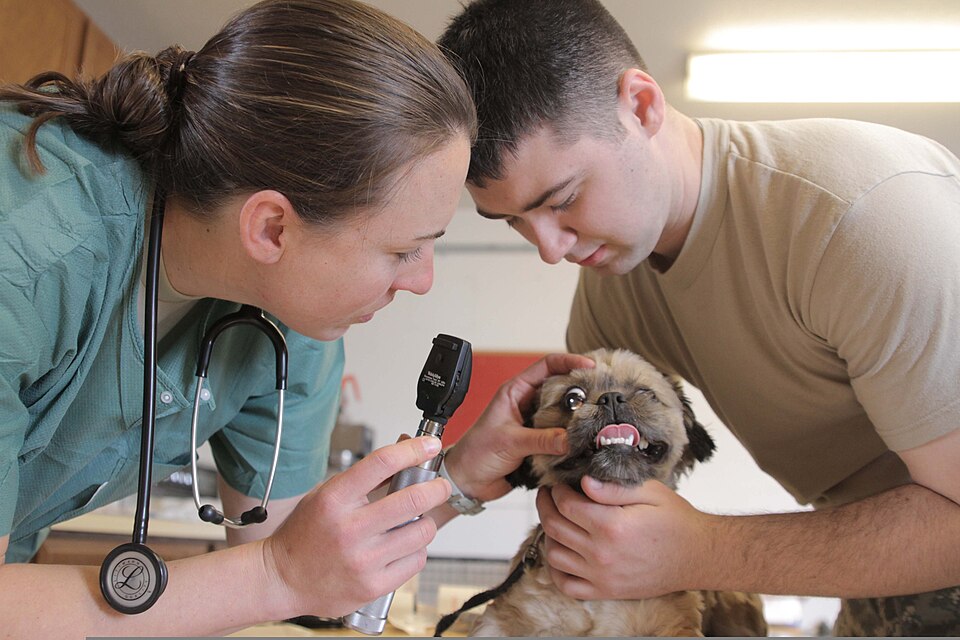
| Pain-induced | Sudden snapping when touched/jumped on, in a previously easy dog | Medical! New aggression in an adult dog = vet exam first, always |
| Predatory | Silent chase of cats, joggers, bikes | Not anger at all — prey drive; unfixable by socialization, manageable by containment |
Prevention (what you do in year one)
- Socialize early and positively — see our puppy guide; the window closes at ~14 weeks
- Teach trade-not-take: approach food, drop a chicken piece, walk away. The dog learns humans near food = good things
- Never punish growls: the growl-free biter is far more dangerous than the vocal one
- Handle paws/ears/mouth daily from puppyhood
- Match breed to life honestly — see our breed pages for honest aggression-tendency notes
Managing an existing problem safely
- Identify triggers precisely (distance matters: reactive at 5 m but fine at 20 m)
- Work UNDER threshold: reward calm looks at the trigger from far away, gradually close distance over weeks
- Management while training: baby gates, muzzles trained with treats (basket muzzles), avoid leash-tension standoffs
- Equipment: front-clip harness or head collar for control; no prong/choke for fear issues — they confirm the fear
- Do not 'flood' (force exposure): it reliably makes fear aggression worse
When to bring in professionals — and which ones
Sudden behavior change in an adult dog → veterinary exam first (pain, thyroid, neurological causes are real). For behavior itself: look for a certified behavior consultant (CAAB, CBCC-KA, or a veterinary behaviorist DACVB) using positive-reinforcement methods. Trainers who promise 'dominance' fixes or use punishment-first methods tend to suppress signals while keeping — or worsening — the underlying emotion.
- Bites that broke skin, multiple households members targeted, or aggression toward your own kids: professional help is not optional
- Keep a 1-page trigger log for the consult — it halves the diagnosis time