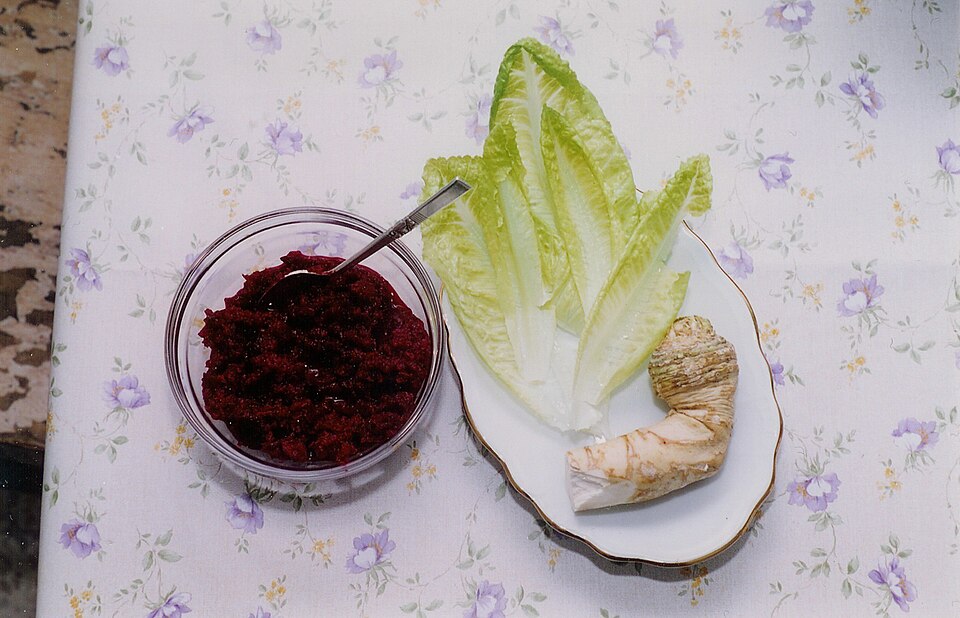
Are beets good for dogs?
Beets bring fiber, folate, manganese and betalain antioxidants, and modest amounts support skin, coat and digestion. Two cautions: they are high in oxalic acid, which matters for dogs prone to bladder or kidney stones, and they are acidic and sugary enough to cause gas or loose stool in quantity. Pickled beets are a different food entirely — brine means salt, garlic and spices.
How many beets can a dog have?
Small cooked or raw chunks, occasionally; skip entirely for stone-prone dogs.
How to prepare it
Cooked (baked or boiled) or raw, cut small; plain only — no pickled, no canned-with-salt.
Watch out for
- Oxalic acid: bladder and kidney stone risk in predisposed dogs
- Pickled beets: salt, garlic, onion and spices
- Sugar and carbs: keep portions small
- Acidity: gas or diarrhea in some dogs
People also search for
These are real search phrases owners use about beets (from public search-suggestion data). We publish a dedicated, verified page for each common variant — new ones are added continuously.
FAQs
Can dogs eat raw beets?
Yes, in small chunks — cooked is easier to digest. Either way, plain and in moderation.
Are pickled beets safe for dogs?
No — pickling brine is high in salt and usually contains garlic and onion.
My dog has bladder stones — can he have beets?
Ask your vet first; the oxalate content may mean avoiding them altogether.
Can dogs eat beets raw or cooked?
Both are fine — plain and in small amounts. Too much can cause red-tinged urine and stomach upset.