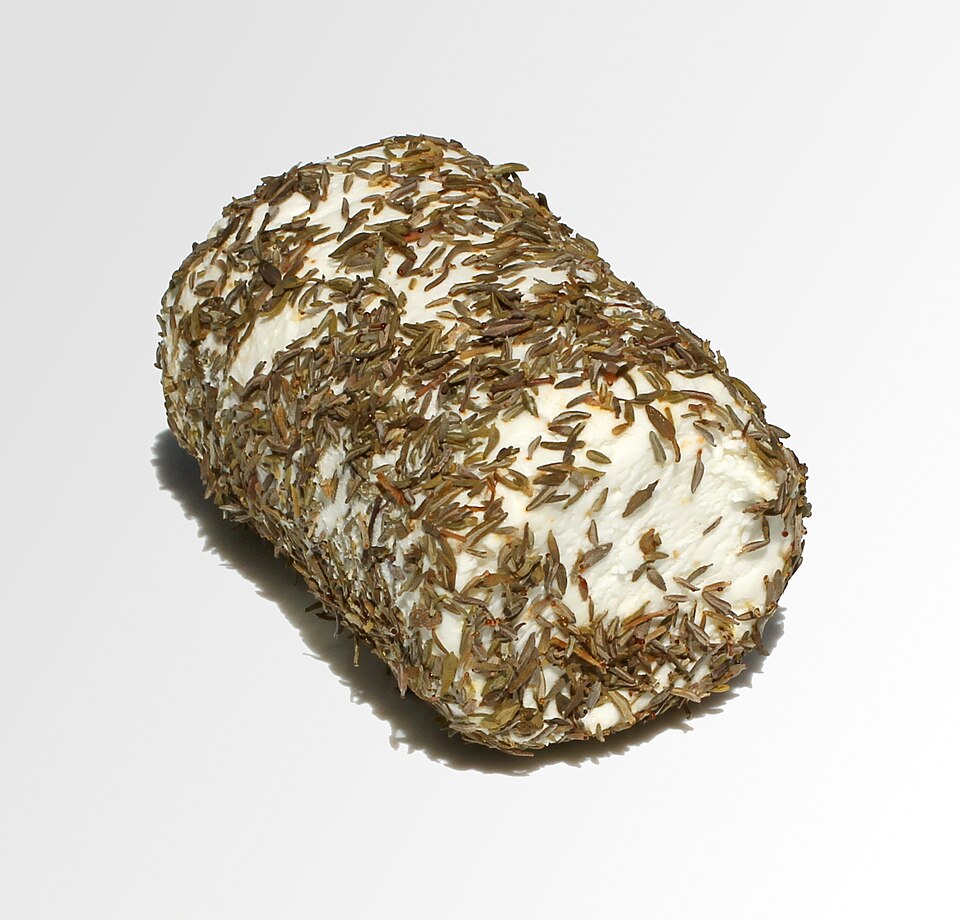
Is goat cheese good or bad for dogs?
Goat cheese is not toxic, and its lactose is slightly lower than cow’s-milk cheese, so many dogs tolerate a small taste. But it is high in fat, which stresses the pancreas in quantity, and the flavored tubs are the real trap: herb and garlic goat cheeses carry onion and garlic, and blue-veined goat cheeses carry the same roquefortine mold that makes blue cheese unsafe.
How much goat cheese can a dog have?
A dice-sized piece of plain goat cheese, occasionally.
How to prepare it
Plain, unflavored, pasteurized — no herb, garlic or blue-veined varieties.
Watch out for
- Lactose: gas, bloating or diarrhea in intolerant dogs
- High fat: pancreatitis risk in excess
- Flavored varieties: garlic, onion and chives are toxic
- Blue-veined goat cheese: roquefortine mold
People also search for
These are real search phrases owners use about goat cheese (from public search-suggestion data). We publish a dedicated, verified page for each common variant — new ones are added continuously.
FAQs
Is goat cheese better than regular cheese for dogs?
Slightly — it has less lactose — but the fat content is similar, so the same small-portion rule applies.
Can dogs eat herbed goat cheese?
No — herb blends almost always contain garlic or onion, which are toxic to dogs.
Can puppies eat goat cheese?
A tiny plain lick is fine for most, but puppies have sensitive stomachs — keep it minimal.