The short version
A dog's ear is responsible for hearing and balance. It has three parts: the outer ear, the middle ear, and the inner ear.
The outer ear includes the pinna (the flap of cartilage covered by skin and hair) and the ear canal.
Physical Examination of the Ear
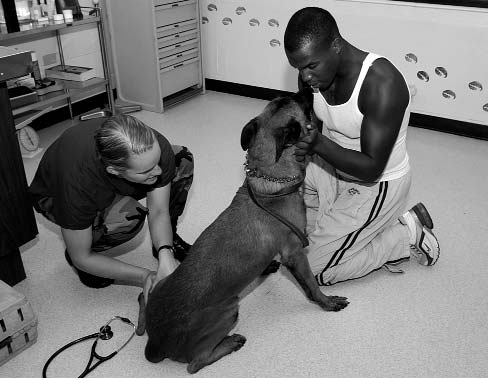
Ear infections and other ear problems are common in dogs. Veterinarians check a dog’s ears as part of a routine exam.
A vet starts by checking the outer ear for inflammation, injuries, swelling, unusual discharge, or excess wax. A tool called an otoscope is used to look down the ear canal and view the eardrum. Hair sometimes must be removed from the ear canal for a clear view of the eardrum.
If infection is suspected, the vet will sample and test fluid or discharge in the ear to find the organisms involved and pick the right treatment. Ear infections in dogs are most often caused by bacteria or yeast.
Frequently asked questions
Dog ear structure and function?
The Merck Veterinary Manual covers this in the article linked on this page. A dog's ear is responsible for hearing and balance. It has three parts: the outer ear, the middle ear, and the inner ear. The outer ear includes the… If your dog is unwell, contact your veterinarian — this page is educational, not a diagnosis.
What is the function of an animal ears?
The Merck Veterinary Manual covers this in the article linked on this page. A dog's ear is responsible for hearing and balance. It has three parts: the outer ear, the middle ear, and the inner ear. The outer ear includes the… If your dog is unwell, contact your veterinarian — this page is educational, not a diagnosis.
What is a dog's ear canal?
The Merck Veterinary Manual covers this in the article linked on this page. A dog's ear is responsible for hearing and balance. It has three parts: the outer ear, the middle ear, and the inner ear. The outer ear includes the… If your dog is unwell, contact your veterinarian — this page is educational, not a diagnosis.