The short version
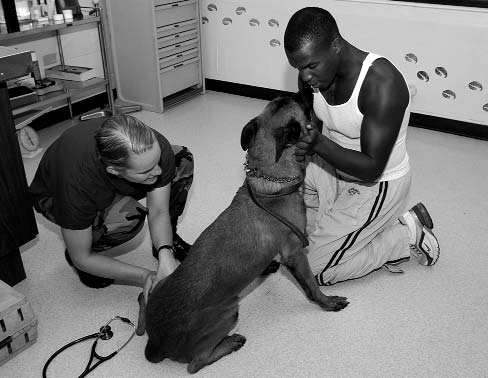
Keeping your dog healthy takes more than just daily feeding and exercise. To be healthy, dogs require regular veterinary checkups, grooming, and a safe home environment.
How Often Should My Dog See a Veterinarian?
Senior dogs (over 7–8 years old): Twice a year or more. Because older dogs are more likely to get sick, they need to see the vet more often. Your vet might suggest blood tests or x-rays to catch health issues early.
How Can I Tell If My Dog Is Sick?
losing hair, seems excessively itchy, or develops red spots on the skin
If your dog shows any of these signs for more than a day or two, it’s a good idea to schedule a vet visit.
How Do I Give My Dog Medicine?
Pills:You can hide the pill in a piece of cheese, some peanut butter, or a pill pouch treat. Sometimes, gently holding your dog’s mouth closed until it swallows the pill can help.
Liquid medicine: Use a syringe to squirt the medicine into the back of your dog's mouth, aiming near the back teeth. Keep your dog's head tilted slightly up to avoid spills.
Topical medicine: Apply directly to your dog's skin or coat (at the top of the neck so your dog can't lick it). For eye drops or ear medicine, ask your vet to show you what to do.
Does My Dog Need Vaccines?
Vaccines help protect your dog from serious diseases. Core vaccines recommended by nearly all veterinarians prevent illnesses like distemper, parvovirus, and rabies. Vaccines for other illnesses, such as Lyme disease or Bordetella infection, are important in certain areas. Your vet will tell you which vaccines your dog needs based on where you live and your dog’s lifestyle.
Booster shots: These are given throughout your dog’s life to keep it protected. Some vaccines only need boosters every few years. Others should be boosted every year. Your vet will tell you how often your dog needs booster shots.
Can My Dog Get Parasites?
Yes, dogs can get various parasites, such as roundworms, hookworms, and heartworms. These can harm your dog's health and can sometimes affect humans, especially children or those with weak immune systems. Your vet will test your dog's poop once a year with a fecal test to identify and treat any parasites your dog has. Common parasites in dogs include:
Roundworms and hookworms: These parasites live in a dog's intestines and can infect people if they accidentally ingest them if poop gets on their hands when petting or cleaning up after their dog. Cleaning up poop and proper handwashing help prevent infections in people.
Heartworm: This serious parasite is spread by mosquito bites and lives in your dog's heart and bloodstream. Dogs should be tested for heartworm every year and should receive heartworm prevention medicine year-round. Many heartworm medicines also help prevent intestinal parasites.
Frequently asked questions
Routine health care for dogs?
The Merck Veterinary Manual covers this in the article linked on this page. Keeping your dog healthy takes more than just daily feeding and exercise. To be healthy, dogs require regular veterinary checkups, grooming, and a sa… If your dog is unwell, contact your veterinarian — this page is educational, not a diagnosis.
Routine check up for dogs?
The Merck Veterinary Manual covers this in the article linked on this page. Keeping your dog healthy takes more than just daily feeding and exercise. To be healthy, dogs require regular veterinary checkups, grooming, and a sa… If your dog is unwell, contact your veterinarian — this page is educational, not a diagnosis.
What is considered routine vet care?
The Merck Veterinary Manual covers this in the article linked on this page. Keeping your dog healthy takes more than just daily feeding and exercise. To be healthy, dogs require regular veterinary checkups, grooming, and a sa… If your dog is unwell, contact your veterinarian — this page is educational, not a diagnosis.