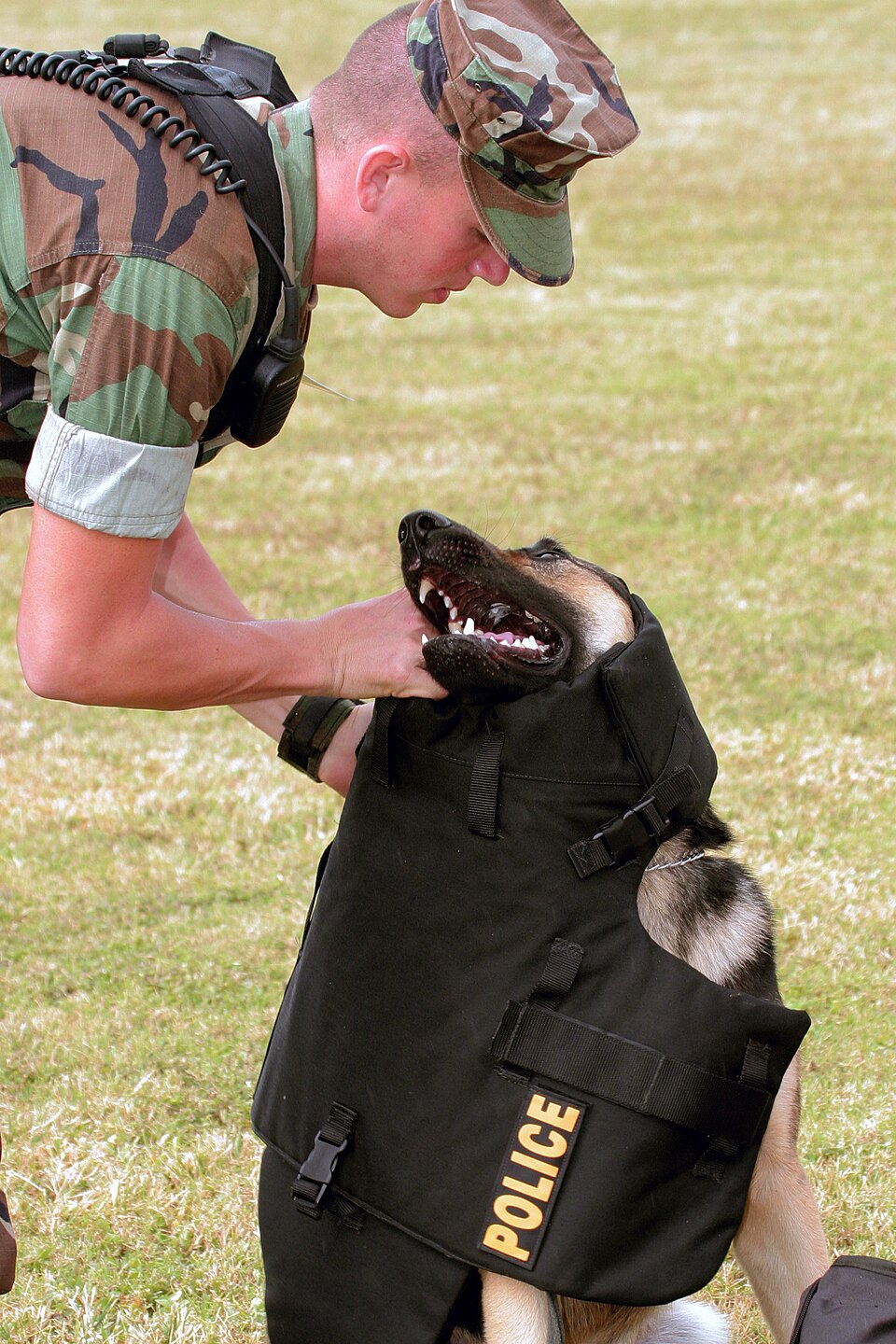
What legally counts as a service dog
Under the Americans with Disabilities Act, a service animal is a dog individually trained to do work or perform tasks for a person with a disability. Examples: guiding a blind person, alerting to a seizure, retrieving dropped items, interrupting a panic attack, reminding someone to take medication, or pulling a wheelchair.
Three things people get wrong:
- There is no federal registration or certification. Any website selling an 'official service dog registration' is selling a piece of paper with no legal standing.
- Emotional support, comfort and therapy animals are not service animals under the ADA, and they do not carry public access rights.
- The definition is about tasks, not about the dog being well-behaved. A perfectly obedient pet is not a service dog.
Temperament screening comes before training
This is the step that decides everything, and it is where most owner-trained attempts fail. A service dog candidate needs to be comfortable in public, unfazed by noise and novel surfaces, friendly or at least neutral with strangers and other dogs, and quick to recover from a startle. Dogs who are fearful, reactive, noise-sensitive or who dislike being touched by strangers should not be asked to do this work — it is unfair to the dog and unsafe in public.
Have an experienced trainer or behaviorist evaluate the dog honestly before you invest months. Choosing the right dog matters more than anything you teach afterwards.
The training path
- Basic obedience to a reliable standard — sit, down, stay, recall, and settled behavior on a mat, under distraction.
- Canine Good Citizen (AKC CGC) or an equivalent — a widely recognized foundation test and a useful milestone, though not a legal requirement.
- Public access training — calm behavior in shops, on transport and in crowds; ignoring food on the floor and other people's dogs; settling quietly under a table for long periods.
- Task training — the specific, trained behavior that mitigates your disability. This is the legally defining part.
- Proofing and maintenance — practising under real-world distraction for the working life of the dog.
Owner-training vs a programme
Owner-training is legal in the US — you may train your own service dog — but it is a long, demanding project, and the washout rate is high for the reasons above. Programme dogs come professionally matched and trained, with the trade-off of long waiting lists (often one to three years) and substantial cost. Many people do a hybrid: buy a prospect, have a professional evaluate and co-train, and keep the dog as a pet if it does not make it.
Either route, work with a trainer who has genuine service-dog experience. This is not a job for a generic puppy class.
What businesses may ask
Staff may legally ask only two questions: (1) is the dog a service animal required because of a disability? and (2) what work or task has the dog been trained to perform? They may not ask about your diagnosis, demand documentation, or require the dog to wear a vest or ID. They may ask you to remove a dog who is out of control or not house-trained. A vest is optional; the behavior is what matters.
Frequently asked questions
How do I train my dog to be a service dog?
Screen the temperament first with an experienced trainer, then build reliable obedience, public access skills, and finally the specific task that mitigates your disability. Owner-training is legal in the US, but the washout rate is high.
Do I need a certificate or registration for a service dog?
No. There is no US federal registration or certification for service dogs; websites selling 'official registration' have no legal standing. The dog is defined by the trained task.
Is an emotional support animal a service dog?
No. Under the ADA, emotional support, comfort and therapy animals are not service animals and do not have public access rights, regardless of what a letter or a vest says.
What can a business ask me about my service dog?
Only two things: whether the dog is required because of a disability, and what task the dog is trained to perform. They cannot ask about your diagnosis or demand paperwork.
Does my service dog have to wear a vest?
No. Vests and IDs are optional and carry no legal weight. A business may only remove a dog that is out of control or not house-trained.