Tanimbar blue-tongue Blue-tongue Skinks — Variety Guide
Tanimbar blue-tongue — one of the blue-tongue skinks varieties owners search for by name.
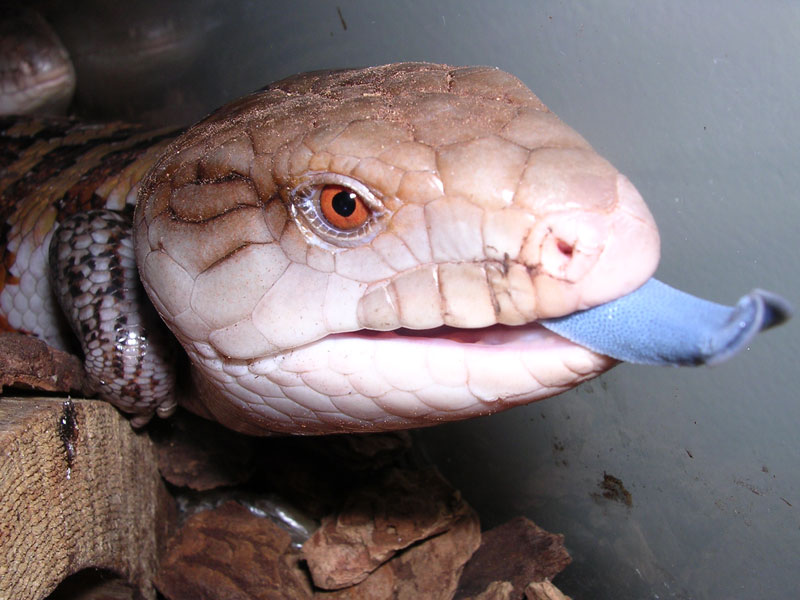
Tanimbar blue-tongue is one of the blue-tongue skinks varieties people look up by name. This page answers the questions owners actually type about tanimbar blue-tongue, then points you to the sourced blue-tongue skinks care guidance that applies to every variety.
The "dog of lizards" — tame, hardy, omnivorous, and one of the best beginner reptiles if you have the space.
Quick answer: Tanimbar blue-tongue is a variety of blue-tongue skinks. Everything on this page is blue-tongue skinks-level guidance — we do not invent variety-specific numbers.
The care below is blue-tongue skinks-level guidance from our species hub, sourced to Merck Veterinary Manual — Reptiles and RSPCA — Reptiles and amphibians. It applies to Tanimbar blue-tongue exactly as it applies to every other blue-tongue skinks variety. We do not publish variety-specific temperament, lifespan or weight numbers that we cannot source.
How to care for Tanimbar blue-tongue Blue-tongue Skinks: the sections below follow the blue-tongue skinks baseline — we do not invent variety-specific routines.
Enclosure: bigger than you think
Adults need a minimum 4×2×2 ft (120×60×60 cm) enclosure — longer is better, they are ground dwellers. Substrate: cypress mulch, aspen, or paper; avoid loose sand (impaction risk) and cedar. Provide a hide, a basking spot, and a humid retreat for shedding. Secure the lid — they are strong and escape-prone.
Heat, light, and shedding
Basking surface 95–105°F (35–40°C), ambient 75–85°F (24–29°C), with a UVB bulb (10–12% or mercury vapor) on a 10–12 hr cycle. Without UVB and heat, they stop eating and develop metabolic bone disease. Humidity ~40–60%; a moist hide prevents bad sheds, which can constrict toes and tail tips.
How long do Tanimbar blue-tongue Blue-tongue Skinks live?
Blue-tongue skinks (Tiliqua spp.) are heavy-bodied Australian and Indonesian lizards that live 15–20 years.
This figure is species-level: Tanimbar blue-tongue is a variety of blue-tongue skinks, so we do not publish a separate number for it. Sources and full data on the Blue-tongue Skinks species profile.
Temperament and handling
They are famous for being among the most handleable reptiles: slow, calm, and food-motivated.
This figure is species-level: Tanimbar blue-tongue is a variety of blue-tongue skinks, so we do not publish a separate number for it. Sources and full data on the Blue-tongue Skinks species profile.
What do Tanimbar blue-tongue Blue-tongue Skinks eat?
Feed a mix of high-quality canned or soaked dog food (low-fat), cooked egg, insects (roaches, crickets), and chopped vegetables/fruit. Variety matters — a green-leaf and protein rotation keeps them fit. Dust insects with calcium. Adults eat every 2–3 days; juveniles daily. Avoid avocado, onion, and processed human food.
This figure is species-level: Tanimbar blue-tongue is a variety of blue-tongue skinks, so we do not publish a separate number for it. Sources and full data on the Blue-tongue Skinks species profile.
Breeding Tanimbar blue-tongue Blue-tongue Skinks
Feed a mix of high-quality canned or soaked dog food (low-fat), cooked egg, insects (roaches, crickets), and chopped vegetables/fruit.
This figure is species-level: Tanimbar blue-tongue is a variety of blue-tongue skinks, so we do not publish a separate number for it. Sources and full data on the Blue-tongue Skinks species profile.
What people ask about Tanimbar blue-tongue
Tanimbar blue-tongue skink?
This is one of the questions people actually type about tanimbar blue-tongue. The sourced blue-tongue skinks answer lives in our species hub, linked from this page — the same rules apply to Tanimbar blue-tongue as to any other blue-tongue skinks variety.
Tanimbar blue tongue?
This is one of the questions people actually type about tanimbar blue-tongue. The sourced blue-tongue skinks answer lives in our species hub, linked from this page — the same rules apply to Tanimbar blue-tongue as to any other blue-tongue skinks variety.
Tanimbar blue tongue skink for sale?
This is one of the questions people actually type about tanimbar blue-tongue. The sourced blue-tongue skinks answer lives in our species hub, linked from this page — the same rules apply to Tanimbar blue-tongue as to any other blue-tongue skinks variety.
Tanimbar blue tongue skink care?
This is one of the questions people actually type about tanimbar blue-tongue. The sourced blue-tongue skinks answer lives in our species hub, linked from this page — the same rules apply to Tanimbar blue-tongue as to any other blue-tongue skinks variety.
Tanimbar blue tongue skink size?
This is one of the questions people actually type about tanimbar blue-tongue. The sourced blue-tongue skinks answer lives in our species hub, linked from this page — the same rules apply to Tanimbar blue-tongue as to any other blue-tongue skinks variety.
How Tanimbar blue-tongue compares with other blue-tongue skinks varieties
Tanimbar blue-tongue is listed alongside the other blue-tongue skinks varieties we cover. For the traits varieties of a group tend to share — adult size, lifespan and baseline care — use the Blue-tongue Skinks species profile; we do not assert differences we cannot source.
Northern blue-tongue Indonesian blue-tongue Centralian blue-tongue
Sources
- Merck Veterinary Manual — Reptiles — verified 2026-10-18
- RSPCA — Reptiles and amphibians — verified 2026-10-18