Western Honeybee (Apis mellifera) Honeybee — Variety Guide
Western Honeybee (Apis mellifera) — one of the honeybee varieties owners search for by name.
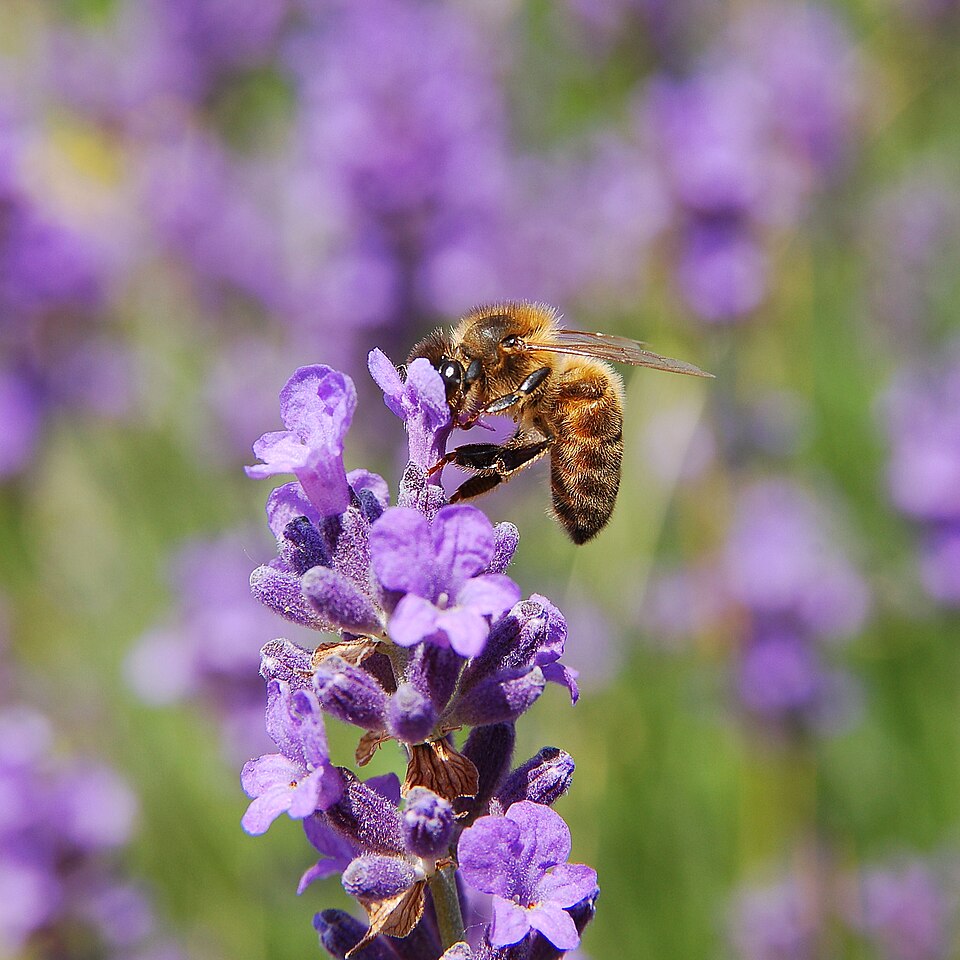
Western Honeybee (Apis mellifera) is one of the honeybee varieties people look up by name. This page answers the questions owners actually type about western honeybee (apis mellifera), then points you to the sourced honeybee care guidance that applies to every variety.
The Western honeybee (Apis mellifera) is kept worldwide for honey and crop pollination, with a single colony housing tens of thousands of workers overseen by one queen.
Quick answer: Western Honeybee (Apis mellifera) is a variety of honeybee. Everything on this page is honeybee-level guidance — we do not invent variety-specific numbers.
The care below is honeybee-level guidance from our species hub, sourced to Penn State Extension — Beekeeping and Honey Bee Health Coalition — Varroa Management. It applies to Western Honeybee (Apis mellifera) exactly as it applies to every other honeybee variety. We do not publish variety-specific temperament, lifespan or weight numbers that we cannot source.
How long do Honeybee colonies last?
Individual bees are short-lived: summer worker honeybees live about 5–6 weeks, while winter bees (raised in autumn) live 4–6 months to carry the colony through to spring. Drones (males) live roughly 55 days and die after mating or are expelled in autumn. The queen lives 2–3 years, though she is often replaced by the colony sooner if her egg-laying declines. A colony itself can persist for years or decades provided the queen is successfully superseded and disease and mites are managed — but unmanaged hives commonly collapse within a single season, mostly to Varroa destructor mites and the viruses they spread.
What do Honeybees need?
Bees need three things from the landscape: nectar (carbohydrate), pollen (protein for brood) and water — all within about a 3 km flight radius, though they prefer sources under 1 km. They need a hive body with frames, drawn comb or foundation, and seasonal management: spring buildup, summer honey supers, autumn varroa treatment and winter stores of 25–35 kg of honey (or feeding if short). Supplemental protein patties help during dearths. The single non-negotiable modern need is Varroa mite monitoring and treatment — untreated colonies are a dying proposition.
What people ask about Western Honeybee (Apis mellifera)
Western honey bee apis mellifera?
This is one of the questions people actually type about western honeybee (apis mellifera). The sourced honeybee answer lives in our species hub, linked from this page — the same rules apply to Western Honeybee (Apis mellifera) as to any other honeybee variety.
Global invasions of the western honeybee apis mellifera and the consequences for biodiversity?
This is one of the questions people actually type about western honeybee (apis mellifera). The sourced honeybee answer lives in our species hub, linked from this page — the same rules apply to Western Honeybee (Apis mellifera) as to any other honeybee variety.
From where did the western honeybee apis mellifera originate?
This is one of the questions people actually type about western honeybee (apis mellifera). The sourced honeybee answer lives in our species hub, linked from this page — the same rules apply to Western Honeybee (Apis mellifera) as to any other honeybee variety.
Other honeybee varieties
Sources
- Penn State Extension — Beekeeping — verified 2026-10-18
- Honey Bee Health Coalition — Varroa Management — verified 2026-10-18