Fire belly newt Newts & Salamanders — Variety Guide
Fire belly newt — one of the newts & salamanders varieties owners search for by name.
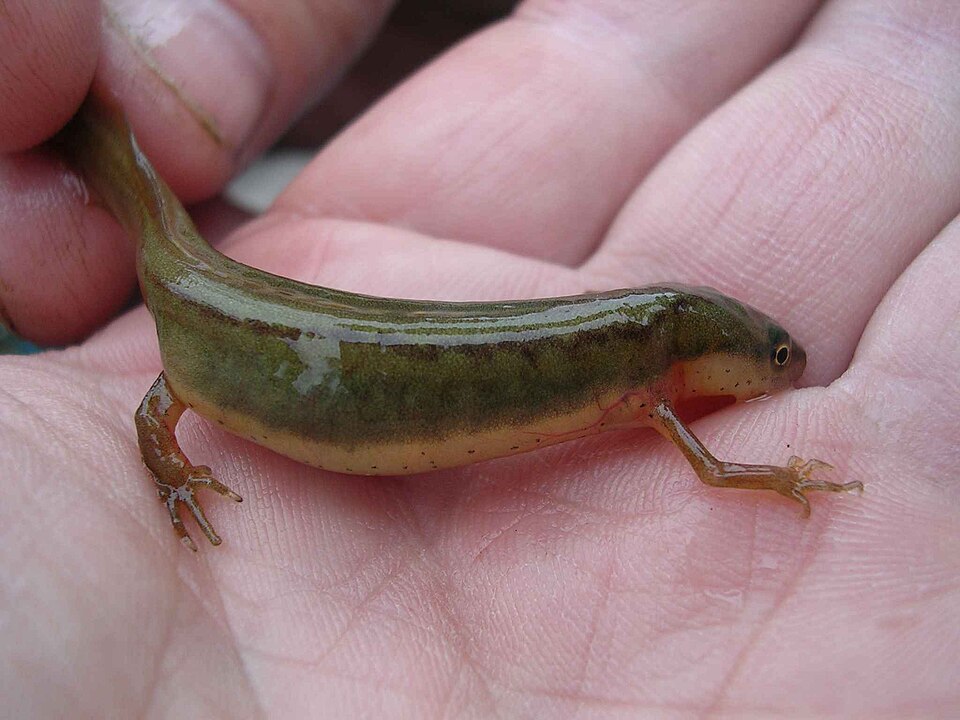
Fire belly newt is one of the newts & salamanders varieties people look up by name. This page answers the questions owners actually type about fire belly newt, then points you to the sourced newts & salamanders care guidance that applies to every variety.
Semi-aquatic and cool-loving — skin secretions mean wash your hands, always.
Quick answer: Fire belly newt is a variety of newts & salamanders. Everything on this page is newts & salamanders-level guidance — we do not invent variety-specific numbers.
The care below is newts & salamanders-level guidance from our species hub, sourced to Merck Veterinary Manual — Exotic & Laboratory Animals: Amphibians and RSPCA — Amphibian advice. It applies to Fire belly newt exactly as it applies to every other newts & salamanders variety. We do not publish variety-specific temperament, lifespan or weight numbers that we cannot source.
The half-water habitat, laid out properly
The classic layout is one-third to one-half land (cobblestones, cork bark, mossy slope) plus shallow-to-deep water with an easy exit ramp — fire belly newts do fine in a mostly aquatic tank as long as they can climb out. A 60–90 cm glass tank houses 2–4 small newts. Water 16–20°C (60–68°F): in summer most homes need cooling — fans, frozen bottles or a small chiller. Filter gently (a low-flow waterfall or air-driven sponge filter); change 25–30% of the water weekly, always dechlorinated. Keep the land section damp and the lid secure.
Feeding and supplements
Fire belly newts eat frozen bloodworms, blackworms, small crickets (rear legs removed) and daphnia; adults feed every 2–3 days. Land-dwelling tiger salamanders take crickets, mealworms and earthworms. Dust feeders with calcium + vitamins once or twice weekly. Newts have poor eyesight and hunt by smell — tong-feed close to their face and remove leftovers within an hour or the water sours. Newly imported animals often carry internal parasites (eating well yet wasting): a 30-day quarantine plus a fecal check is the cheapest insurance.
What people ask about Fire belly newt
Fire belly newt?
This is one of the questions people actually type about fire belly newt. The sourced newts & salamanders answer lives in our species hub, linked from this page — the same rules apply to Fire belly newt as to any other newts & salamanders variety.
Fire belly newt for sale?
This is one of the questions people actually type about fire belly newt. The sourced newts & salamanders answer lives in our species hub, linked from this page — the same rules apply to Fire belly newt as to any other newts & salamanders variety.
Fire belly newts for sale near me?
This is one of the questions people actually type about fire belly newt. The sourced newts & salamanders answer lives in our species hub, linked from this page — the same rules apply to Fire belly newt as to any other newts & salamanders variety.
Fire belly newt tank?
This is one of the questions people actually type about fire belly newt. The sourced newts & salamanders answer lives in our species hub, linked from this page — the same rules apply to Fire belly newt as to any other newts & salamanders variety.
Fire belly newt care?
This is one of the questions people actually type about fire belly newt. The sourced newts & salamanders answer lives in our species hub, linked from this page — the same rules apply to Fire belly newt as to any other newts & salamanders variety.
Other newts & salamanders varieties
Eastern newt Spanish ribbed newt Tiger salamander Axolotl relative: siren Marbled
Sources
- Merck Veterinary Manual — Exotic & Laboratory Animals: Amphibians — verified 2026-10-18
- RSPCA — Amphibian advice — verified 2026-10-18