Spanish ribbed newt Newts & Salamanders — Variety Guide
Spanish ribbed newt — one of the newts & salamanders varieties owners search for by name.
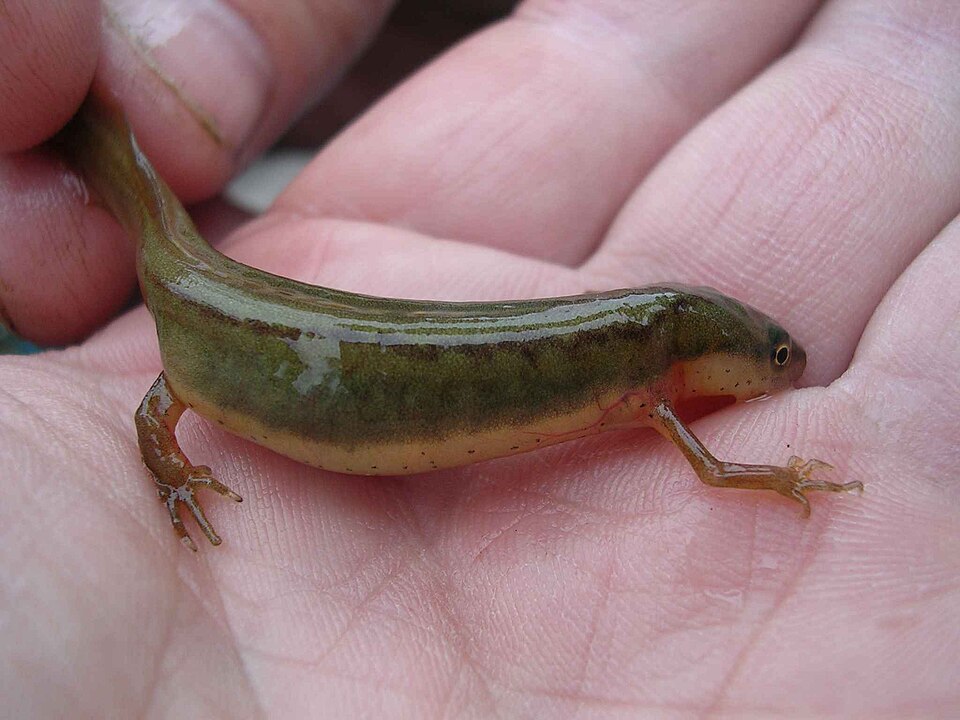
Spanish ribbed newt is one of the newts & salamanders varieties people look up by name. This page answers the questions owners actually type about spanish ribbed newt, then points you to the sourced newts & salamanders care guidance that applies to every variety.
Semi-aquatic and cool-loving — skin secretions mean wash your hands, always.
Quick answer: Spanish ribbed newt is a variety of newts & salamanders. Everything on this page is newts & salamanders-level guidance — we do not invent variety-specific numbers.
The care below is newts & salamanders-level guidance from our species hub, sourced to Merck Veterinary Manual — Exotic & Laboratory Animals: Amphibians and RSPCA — Amphibian advice. It applies to Spanish ribbed newt exactly as it applies to every other newts & salamanders variety. We do not publish variety-specific temperament, lifespan or weight numbers that we cannot source.
How to care for Spanish ribbed newt Newts & Salamanders: the sections below follow the newts & salamanders baseline — we do not invent variety-specific routines.
Health: skin rules and red flags
A healthy newt has smooth, glossy skin and stands firmly on all four legs. Warning signs: patchy or slimy-looking skin, floating helplessly, unusual stillness, refusal to eat beyond a week, sunken eyes. Amphibian skin absorbs everything — no bare-hand contact (use wet, powder-free gloves when unavoidable), no cleaning sprays near the tank, and dechlorinate every drop. Red-leg (bacterial) and chytrid fungus both need an amphibian-savvy vet, and early is the only good time to find them.
Mixing, toxics and the law
Keep one species, one size group — newt skin secretions (fire belly newts carry tetrodotoxin-class compounds) are risky to other animals and to human cuts and mouths; always wash hands after tank work. Do not house with fish (most nibble gills) or shrimp (eaten). Some regions restrict collecting or keeping native newts (eastern newt, for example) and imports may need permits — check local rules and choose captive-bred animals over wild-caught every time.
What do Spanish ribbed newt Newts & Salamanders eat?
Spanish ribbed newt follows the newts & salamanders baseline: Fire belly newts eat frozen bloodworms, blackworms, small crickets (rear legs removed) and daphnia; adults feed every 2–3 days. Land-dwelling tiger salamanders take crickets, mealworms and earthworms. Dust feeders with calcium + vitamins once or twice weekly. Newts have poor eyesight and hunt by smell — tong-feed close to their face and remove leftovers within an hour or the water sours. Newly imported animals often carry internal parasites (eating well yet wasting): a 30-day quarantine plus a fecal check is the cheapest insurance.
This figure is species-level: Spanish ribbed newt is a variety of newts & salamanders, so we do not publish a separate number for it. Sources and full data on the Newts & Salamanders species profile.
What people ask about Spanish ribbed newt
Spanish ribbed newt?
This is one of the questions people actually type about spanish ribbed newt. The sourced newts & salamanders answer lives in our species hub, linked from this page — the same rules apply to Spanish ribbed newt as to any other newts & salamanders variety.
Spanish ribbed newt care?
This is one of the questions people actually type about spanish ribbed newt. The sourced newts & salamanders answer lives in our species hub, linked from this page — the same rules apply to Spanish ribbed newt as to any other newts & salamanders variety.
Spanish ribbed newt for sale?
This is one of the questions people actually type about spanish ribbed newt. The sourced newts & salamanders answer lives in our species hub, linked from this page — the same rules apply to Spanish ribbed newt as to any other newts & salamanders variety.
Spanish ribbed newt with ribs out?
This is one of the questions people actually type about spanish ribbed newt. The sourced newts & salamanders answer lives in our species hub, linked from this page — the same rules apply to Spanish ribbed newt as to any other newts & salamanders variety.
Spanish ribbed newt eggs?
This is one of the questions people actually type about spanish ribbed newt. The sourced newts & salamanders answer lives in our species hub, linked from this page — the same rules apply to Spanish ribbed newt as to any other newts & salamanders variety.
How Spanish ribbed newt compares with other newts & salamanders varieties
Spanish ribbed newt is listed alongside the other newts & salamanders varieties we cover. For the traits varieties of a group tend to share — adult size, lifespan and baseline care — use the Newts & Salamanders species profile; we do not assert differences we cannot source.
Eastern newt Fire belly newt Tiger salamander Axolotl relative: siren Marbled
Sources
- Merck Veterinary Manual — Exotic & Laboratory Animals: Amphibians — verified 2026-10-18
- RSPCA — Amphibian advice — verified 2026-10-18