Common seahorse Seahorses — Variety Guide
Common seahorse — one of the seahorses varieties owners search for by name.
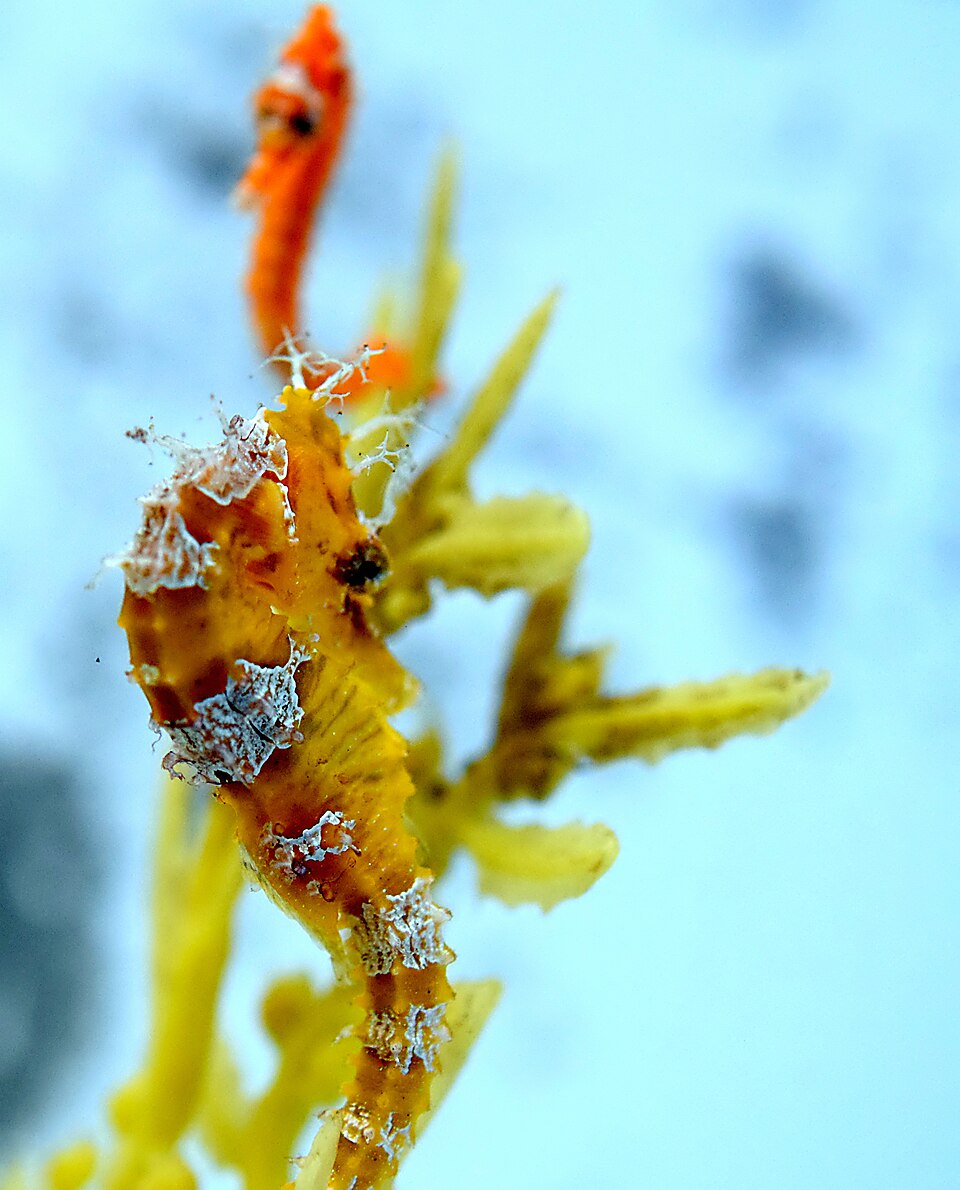
Common seahorse is one of the seahorses varieties people look up by name. This page answers the questions owners actually type about common seahorse, then points you to the sourced seahorses care guidance that applies to every variety.
The most enchanting — and most demanding — marine fish. Specialized feeding and flow make them experts-only.
Quick answer: Common seahorse is a variety of seahorses. Everything on this page is seahorses-level guidance — we do not invent variety-specific numbers.
The care below is seahorses-level guidance from our species hub, sourced to Merck Veterinary Manual — Aquarium and Pond Fish and RSPCA — Fish care. It applies to Common seahorse exactly as it applies to every other seahorses variety. We do not publish variety-specific temperament, lifespan or weight numbers that we cannot source.
How to care for Common seahorse Seahorses: the sections below follow the seahorses baseline — we do not invent variety-specific routines.
Tank and flow
Use a low-flow, tall, species-only aquarium (20+ gal / 75+ L for a pair) with hitching posts (gorgonians, artificial branches) at every level — they must anchor or they float and stress. Strong currents prevent feeding. Gentle, well-filtered, stable marine water with no aggressive tank mates is essential.
Experts-only verdict
Be honest: seahorses are a specialist pursuit. Most die in general community or reef tanks within months. If you are new to marine keeping, master clownfish and water stability first. If you commit, buy captive-bred, set up species-only, and accept the feeding schedule as a daily job. Everything else is unfair to the animal.
How long do Common seahorse Seahorses live?
Common seahorse follows the seahorses baseline: They live 1–5 years depending on species and care.
This figure is species-level: Common seahorse is a variety of seahorses, so we do not publish a separate number for it. Sources and full data on the Seahorses species profile.
What do Common seahorse Seahorses eat?
Common seahorse follows the seahorses baseline: Seahorses need many small feedings of tiny food — enriched brine shrimp, copepods, or finely chopped frozen mysis — often 3–5 times daily. They cannot compete with fast feeders; a reef tank will starve them. Automatic feeders and a dedicated refugium to culture live food are common. Miss feedings and they waste away.
This figure is species-level: Common seahorse is a variety of seahorses, so we do not publish a separate number for it. Sources and full data on the Seahorses species profile.
What people ask about Common seahorse
Common seahorse?
This is one of the questions people actually type about common seahorse. The sourced seahorses answer lives in our species hub, linked from this page — the same rules apply to Common seahorse as to any other seahorses variety.
Common seahorse colors?
This is one of the questions people actually type about common seahorse. The sourced seahorses answer lives in our species hub, linked from this page — the same rules apply to Common seahorse as to any other seahorses variety.
Common seahorse size?
This is one of the questions people actually type about common seahorse. The sourced seahorses answer lives in our species hub, linked from this page — the same rules apply to Common seahorse as to any other seahorses variety.
Common seahorse scientific name?
This is one of the questions people actually type about common seahorse. The sourced seahorses answer lives in our species hub, linked from this page — the same rules apply to Common seahorse as to any other seahorses variety.
Common seahorse species?
This is one of the questions people actually type about common seahorse. The sourced seahorses answer lives in our species hub, linked from this page — the same rules apply to Common seahorse as to any other seahorses variety.
How Common seahorse compares with other seahorses varieties
Common seahorse is listed alongside the other seahorses varieties we cover. For the traits varieties of a group tend to share — adult size, lifespan and baseline care — use the Seahorses species profile; we do not assert differences we cannot source.
Sources
- Merck Veterinary Manual — Aquarium and Pond Fish — verified 2026-10-18
- RSPCA — Fish care — verified 2026-10-18