Silkworm (Bombyx mori) Silkworm — Variety Guide
Silkworm (Bombyx mori) — one of the silkworm varieties owners search for by name.
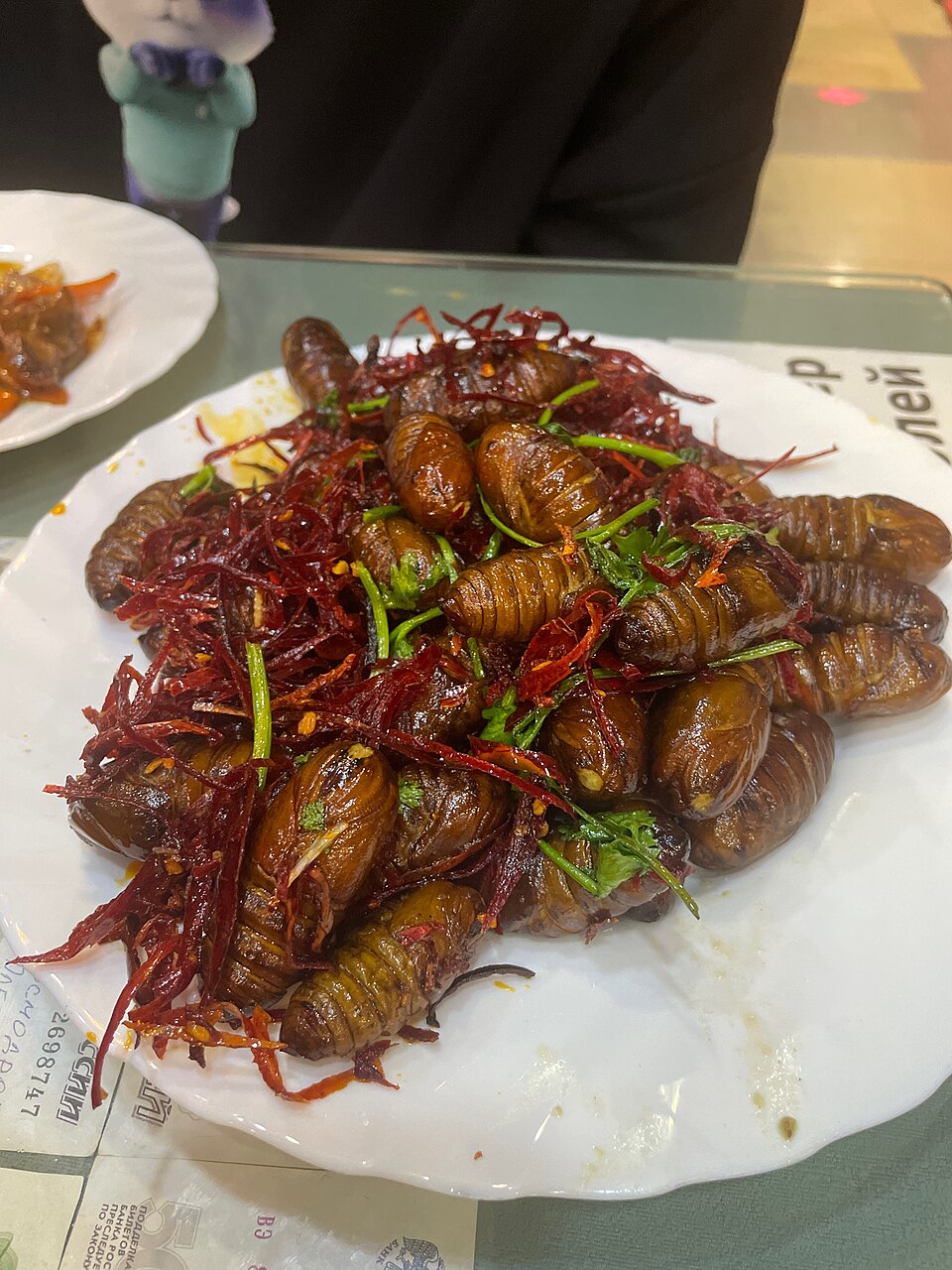
Silkworm (Bombyx mori) is one of the silkworm varieties people look up by name. This page answers the questions owners actually type about silkworm (bombyx mori), then points you to the sourced silkworm care guidance that applies to every variety.
The silkworm (Bombyx mori) is the domesticated larval stage of a flightless moth that has been farmed for silk for over 4,000 years and feeds almost entirely on mulberry leaves.
Quick answer: Silkworm (Bombyx mori) is a variety of silkworm. Everything on this page is silkworm-level guidance — we do not invent variety-specific numbers.
The care below is silkworm-level guidance from our species hub, sourced to FAO — Sericulture Training Manual (Bombyx mori) and University of Florida Entomology — Featured Creatures: Silkworm. It applies to Silkworm (Bombyx mori) exactly as it applies to every other silkworm variety. We do not publish variety-specific temperament, lifespan or weight numbers that we cannot source.
How long do Silkworms live?
The full life cycle runs roughly 6–8 weeks: the larva (the 'silkworm') feeds for about 25–30 days and grows around 10,000-fold through five molts, then spins a cocoon over 3–4 days (pupa inside for 10–14 days), and the flightless, mouthless adult moth emerges for just 5–7 days to mate and lay 300–500 eggs before dying. The moths do not eat or drink; the larva does all the eating. Commercial cocoon harvest kills the pupa by heat before it breaks the silk; if you let moths emerge, the cocoon is ruined for reeled silk but the cycle continues.
What do Silkworms need?
Silkworms eat almost exclusively mulberry leaves (or a prepared silkworm chow made from mulberry-leaf powder) — no other leaf reliably works. They need fresh leaf offered 2–3 times daily, removed before it wilts or molds, at a steady 24–28°C and 70–80% humidity. They need clean, smooth rearing trays (paper or plastic), good airflow without drafts, and isolation from ants, mice and household sprays. A single mature worm eats roughly its own body weight in leaves every day at peak growth.
What people ask about Silkworm (Bombyx mori)
Silkworm (bombyx mori)?
This is one of the questions people actually type about silkworm (bombyx mori). The sourced silkworm answer lives in our species hub, linked from this page — the same rules apply to Silkworm (Bombyx mori) as to any other silkworm variety.
Silkworm bombyx mori diagram?
This is one of the questions people actually type about silkworm (bombyx mori). The sourced silkworm answer lives in our species hub, linked from this page — the same rules apply to Silkworm (Bombyx mori) as to any other silkworm variety.
Silkworm bombyx mori l?
This is one of the questions people actually type about silkworm (bombyx mori). The sourced silkworm answer lives in our species hub, linked from this page — the same rules apply to Silkworm (Bombyx mori) as to any other silkworm variety.
Silkworm bombyx mori as a model organism a review?
This is one of the questions people actually type about silkworm (bombyx mori). The sourced silkworm answer lives in our species hub, linked from this page — the same rules apply to Silkworm (Bombyx mori) as to any other silkworm variety.
Silkworm bombyx mori life cycle?
This is one of the questions people actually type about silkworm (bombyx mori). The sourced silkworm answer lives in our species hub, linked from this page — the same rules apply to Silkworm (Bombyx mori) as to any other silkworm variety.
Other silkworm varieties
Sources
- FAO — Sericulture Training Manual (Bombyx mori) — verified 2026-10-18
- University of Florida Entomology — Featured Creatures: Silkworm — verified 2026-10-18