Bloodfin Tetras & Small Schools — Variety Guide
Bloodfin — one of the tetras & small schools varieties owners search for by name.
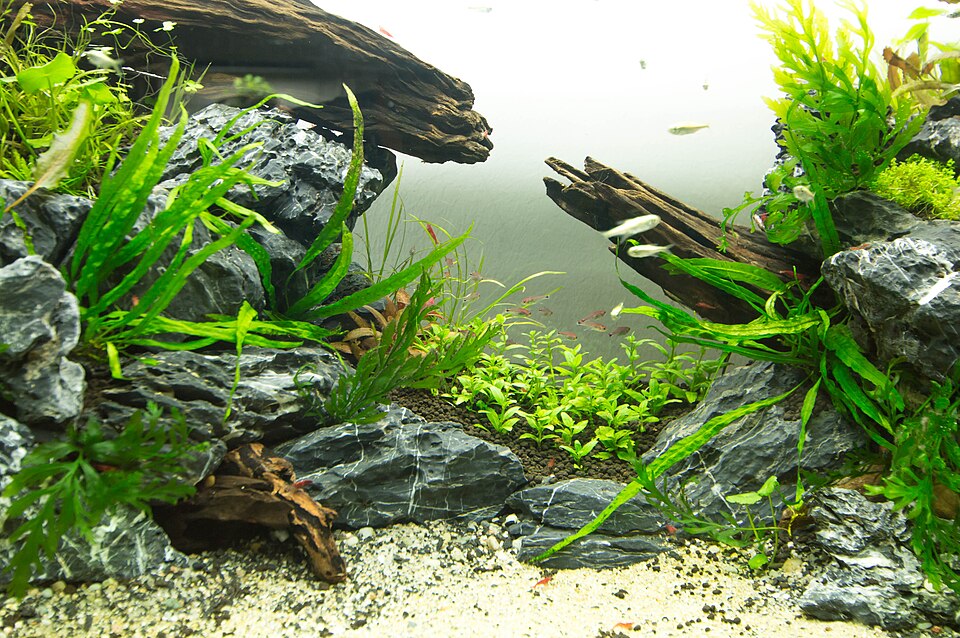
Bloodfin is one of the tetras & small schools varieties people look up by name. This page answers the questions owners actually type about bloodfin, then points you to the sourced tetras & small schools care guidance that applies to every variety.
Schooling fish — the rule is six or more, always.
Quick answer: Bloodfin is a variety of tetras & small schools. Everything on this page is tetras & small schools-level guidance — we do not invent variety-specific numbers.
The care below is tetras & small schools-level guidance from our species hub, sourced to Merck Veterinary Manual — Exotic & Laboratory Animals: Aquarium Fish and RSPCA — Aquarium fish advice. It applies to Bloodfin exactly as it applies to every other tetras & small schools variety. We do not publish variety-specific temperament, lifespan or weight numbers that we cannot source.
How to care for Bloodfin Tetras & Small Schools: the sections below follow the tetras & small schools baseline — we do not invent variety-specific routines.
Feeding and the health watchlist
Micro-pellets, crushed flake, frozen bloodworms and brine shrimp — small mouths, small portions, twice daily. Watch for: ich (white spots — raise to treatment temperature per product directions), neon tetra disease (fading color patch, asymmetric swimming — incurable; remove affected fish), fin nipping (usually a sign the school is too small or the tank too empty), and wasting in old wild-caught stock. Quarantine new fish 3–4 weeks; it prevents most heartbreak.
Choosing species honestly
Beginner-safe: neons, cardinals, embers, black skirts, bloodfins, glowlights — all peaceful and forgiving. Special-case: rummy-nose (excellent water-quality indicator, sensitive), Congo tetras (bigger, 90 cm+ tank), serpae tetras (fin-nippers in small groups — 10+ calms them), bucktoothed tetras (not community fish — aggressive carnivores; avoid). Cardinais vs neons: cardinals are more colorful and slightly hardier but cost more and prefer warmer water.
Bloodfin Tetras & Small Schools temperament and handling
Bloodfin follows the tetras & small schools baseline: Beginner-safe: neons, cardinals, embers, black skirts, bloodfins, glowlights — all peaceful and forgiving.
This figure is species-level: Bloodfin is a variety of tetras & small schools, so we do not publish a separate number for it. Sources and full data on the Tetras & Small Schools species profile.
What do Bloodfin Tetras & Small Schools eat?
Bloodfin follows the tetras & small schools baseline: Micro-pellets, crushed flake, frozen bloodworms and brine shrimp — small mouths, small portions, twice daily. Watch for: ich (white spots — raise to treatment temperature per product directions), neon tetra disease (fading color patch, asymmetric swimming — incurable; remove affected fish), fin nipping (usually a sign the school is too small or the tank too empty), and wasting in old wild-caught stock. Quarantine new fish 3–4 weeks; it prevents most heartbreak.
This figure is species-level: Bloodfin is a variety of tetras & small schools, so we do not publish a separate number for it. Sources and full data on the Tetras & Small Schools species profile.
What people ask about Bloodfin
Bloodfin tetra?
This is one of the questions people actually type about bloodfin. The sourced tetras & small schools answer lives in our species hub, linked from this page — the same rules apply to Bloodfin as to any other tetras & small schools variety.
Bloodfin tetra size?
This is one of the questions people actually type about bloodfin. The sourced tetras & small schools answer lives in our species hub, linked from this page — the same rules apply to Bloodfin as to any other tetras & small schools variety.
Bloodfin tetra for sale?
This is one of the questions people actually type about bloodfin. The sourced tetras & small schools answer lives in our species hub, linked from this page — the same rules apply to Bloodfin as to any other tetras & small schools variety.
Bloodfin tetra tank mates?
This is one of the questions people actually type about bloodfin. The sourced tetras & small schools answer lives in our species hub, linked from this page — the same rules apply to Bloodfin as to any other tetras & small schools variety.
Bloodfin tetra lifespan?
This is one of the questions people actually type about bloodfin. The sourced tetras & small schools answer lives in our species hub, linked from this page — the same rules apply to Bloodfin as to any other tetras & small schools variety.
Bloodfin Tetras & Small Schools vs other varieties: how it compares
Bloodfin is listed alongside the other tetras & small schools varieties we cover. For the traits varieties of a group tend to share — adult size, lifespan and baseline care — use the Tetras & Small Schools species profile; we do not assert differences we cannot source.
Neon tetra Cardinal tetra Ember tetra Rummy-nose Black skirt Congo tetra
Sources
- Merck Veterinary Manual — Exotic & Laboratory Animals: Aquarium Fish — verified 2026-10-18
- RSPCA — Aquarium fish advice — verified 2026-10-18