Russian Tortoises — Variety Guide
Russian — one of the 10 tortoises varieties owners look up by name.
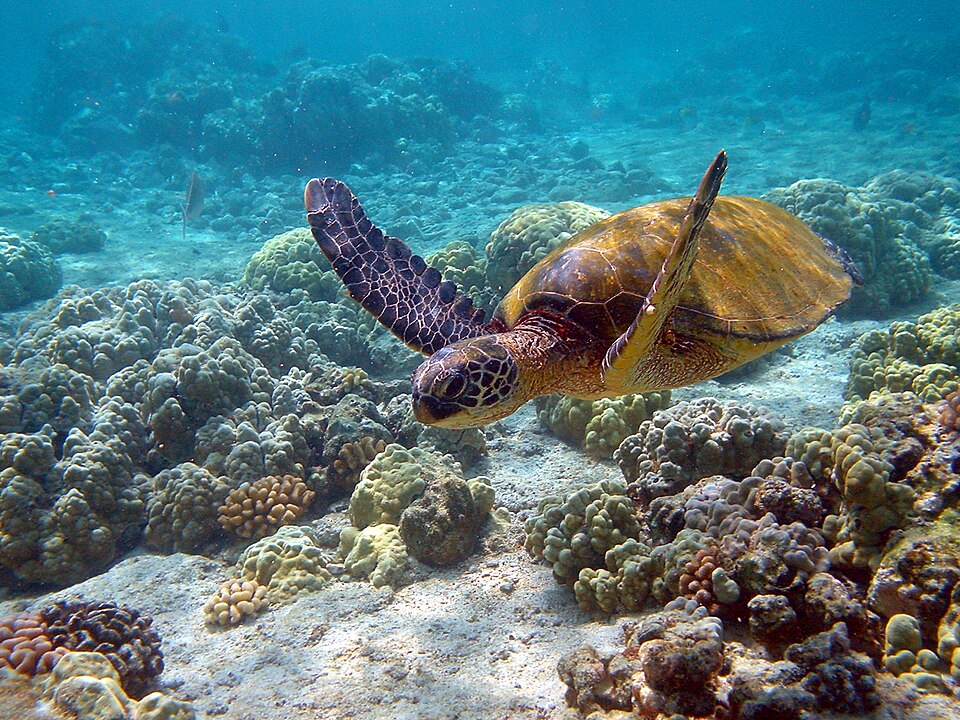
Russian is one of the tortoises varieties people search for by name. This page covers what owners actually ask about it, then hands you the sourced tortoises care guidance that applies to every variety.
Land dwellers from deserts to rainforests — some outlive their owners' grandchildren.
Quick answer: Russian is a variety of tortoises. Everything on this page is tortoises-level guidance — we do not invent variety-specific numbers.
The care below is tortoises-level guidance from our species hub, sourced to Merck Veterinary Manual — Exotic & Laboratory Animals: Reptiles and RSPCA — Tortoise advice. It applies to Russian exactly as it applies to every other tortoises variety. We do not publish variety-specific temperament, lifespan or weight numbers that we cannot source.
Habitat: sunshine first, equipment second
Tortoises are grazers of sunlight. Outdoors in a predator-proof, escape-proof garden pen (they dig and climb) with sun, shade and weeds beats any indoor setup. Indoors, the working standard is an open 'tortoise table' — not a glass vivarium, which traps heat and stress them — with a basking lamp reaching 32–35°C at the hot end, ambient 20–25°C, a strong UVB source (T5 10–12% tube, replaced every 12 months even if it still lights) and a hide. Water dishes shallow enough to avoid drowning hatchlings.
Diet: weeds and greens, not pellets and fruit
The base for Mediterranean and Russian species is high-fiber weeds and greens: dandelion, plantain, clover, sow thistle, mulberry leaves, hibiscus, endive, radicchio, kale in moderation. Fruit causes gut flora crashes in these grassland species (red-footed and other forest tortoises are the exception and do eat some fruit). Commercial pellets are a supplement, not a staple. Never feed dog or cat food, bread or beans. Calcium powder with vitamin D3 on food several times weekly indoors; pure calcium where natural sun is ample.
What people ask about Russian
Russian tortoise?
This is one of the questions people actually type about russian. The sourced tortoises answer lives in our species hub, linked from this page — the same rules apply to Russian as to any other tortoises variety.
Russian tortoise for sale?
This is one of the questions people actually type about russian. The sourced tortoises answer lives in our species hub, linked from this page — the same rules apply to Russian as to any other tortoises variety.
Russian tortoise lifespan?
This is one of the questions people actually type about russian. The sourced tortoises answer lives in our species hub, linked from this page — the same rules apply to Russian as to any other tortoises variety.
Russian tortoise size?
This is one of the questions people actually type about russian. The sourced tortoises answer lives in our species hub, linked from this page — the same rules apply to Russian as to any other tortoises variety.
Russian tortoise diet?
This is one of the questions people actually type about russian. The sourced tortoises answer lives in our species hub, linked from this page — the same rules apply to Russian as to any other tortoises variety.
Other tortoises varieties
Greek Hermann's Sulcata Leopard Red-footed Star
Sources
- Merck Veterinary Manual — Exotic & Laboratory Animals: Reptiles — verified 2026-10-18
- RSPCA — Tortoise advice — verified 2026-10-18