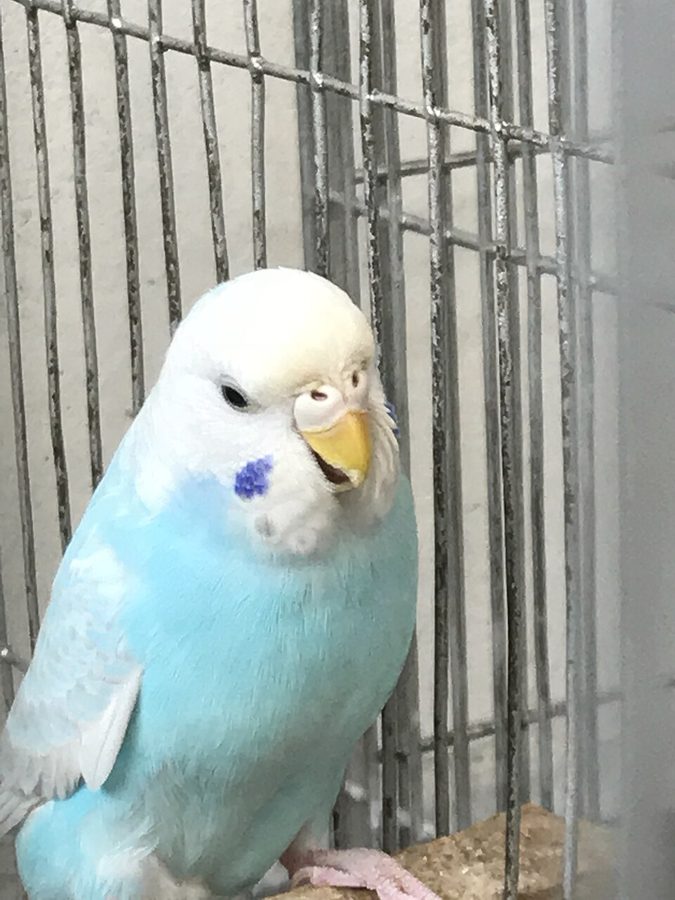
What potty training actually means for a bird
Birds do not have the kind of bladder control that lets them wait for hours, and they should not be asked to. Bird 'potty training' is really timing management: you learn how often your bird needs to go, give a cue, and provide a consistent place.
Intervals vary with size and diet. Small birds such as budgies and lovebirds may go every 10 to 15 minutes; larger parrots can often go considerably longer, sometimes 30 to 60 minutes. Watch your own bird rather than trusting a number.
Never withhold or delay a bird's droppings for long periods. Making a bird hold it for hours is a health risk, not a training achievement.
How to do it
- Track the pattern for a few days. Note how long it takes, and whether your bird crouches, backs up, flicks its tail, or pauses before going.
- Pick a spot. A specific perch, a play stand over newspaper, or a bin. Use the same place every time.
- Take the bird there slightly before the due moment, and say a short cue such as 'go potty'.
- Wait quietly. If it goes within a minute or so, reward immediately.
- If nothing happens, take it back and try again in a few minutes. Do not hold it there for a long stretch.
- Be consistent about the cue and the place — that pairing is what eventually makes the behavior reliable.
What to do about the rest of the house
Training reduces mess; it does not eliminate it. In practice, most owners combine it with:
- Designated bird zones with washable or disposable surfaces under stands and favorite perches.
- A bird-safe mat or towel on the sofa or shoulder where the bird sits.
- Standing up and walking to the potty spot when you see the pre-potty signal, rather than waiting for the accident.
Bird droppings should be cleaned up promptly and surfaces disinfested regularly — part of routine hygiene for a household with birds.
Frequently asked questions
Can you really potty train a bird?
Partly. Birds do not have the bladder control to wait for hours, so potty training means learning your bird's interval, giving a cue and offering a consistent place. Many birds learn to go on cue at their regular spot, but occasional accidents are normal.
How often does a bird poop?
It varies with size and diet. Small birds like budgies and lovebirds may go every 10 to 15 minutes, while larger parrots often go less often, sometimes 30 to 60 minutes. Track your own bird rather than relying on a number.
Is it safe to make my bird hold its droppings?
No. Asking a bird to hold droppings for long periods is a health risk, not a training goal. Potty training should work with the bird's natural timing, and if nothing happens within a minute or so you should try again later instead of forcing it.
How do I stop my bird pooping on the sofa?
Use a washable mat or towel where the bird sits, watch for the pre-potty signals — crouching, backing up, tail flicking — and carry the bird to its potty spot before it goes rather than reacting afterward.
More bird training guides
- How to Train a Bird to Step Up (Willingly, Not Because It Has To)
- How to Teach a Parrot to Talk (And Which Birds Actually Will)
- How to Train a Bird Not to Bite (Without Punishment)
- How to Train a Bird to Come When Called
- How to Clicker Train a Bird (Start to First Trick)
- How to Train a Parrot Not to Fly Away
- How to Stop a Bird From Screaming (Without Screaming Back)