Which birds can actually learn to talk
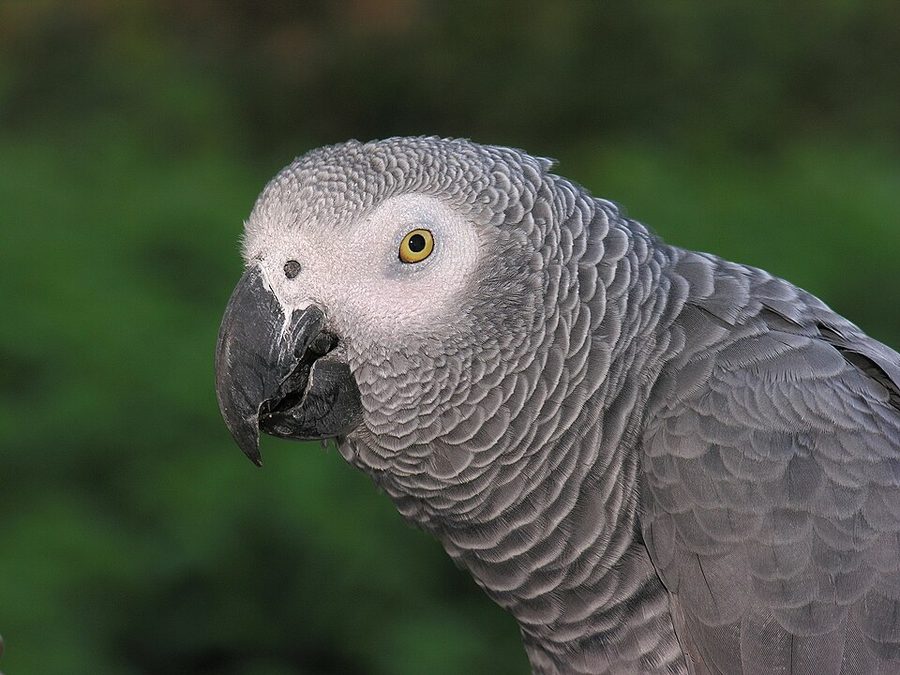
Talking ability varies enormously between species, and it varies between individual birds within a species. Birds most often reported as strong talkers include African grey parrots, Amazon parrots, budgies (parakeets), cockatiels, lovebirds to a lesser degree, and mynah birds.
That said, no guarantee comes with any of them. A bird is not a recording device — it is an animal that may or may not choose to use sound the way you hope. Never choose a bird because you want it to talk. Parrots are long-lived, noisy, demanding companions; a quiet one still needs the same decades of care.
How to teach a parrot to talk
- Tie words to things that actually happen. Say 'good morning' when you uncover the cage, name the food as you put it down, say 'night night' at bedtime. Context is what makes a sound meaningful.
- Keep sessions short and frequent — around 10 to 15 minutes, at the same times each day. Dawn and dusk are when parrots are naturally most vocal, so those windows usually work best.
- Use one clear voice and one clear word at a time. A rising, enthusiastic tone holds attention better than a flat one.
- Reward any attempt. A mumble, a mimic of your tone, or a half-syllable is worth a treat. Shaping works the same way it does for tricks.
- Never punish silence or babble. A bird that gets attention for noise but nothing for attempts learns to scream instead.
If your bird never talks
Plenty of healthy, well-cared-for parrots never say a human word. They may still whistle, mimic the microwave, or invent their own sounds — all of which are normal communication.
What matters far more than speech is whether the bird is active, eating, playing, and interacting. If a bird that used to vocalize suddenly goes quiet, or sits fluffed and inactive, that is a veterinary matter, not a training one — birds hide illness, and silence is one of the signs.
Frequently asked questions
How do I teach my parrot to talk?
Repeat one word at a time in a real, repeated context — say 'good morning' when you uncover the cage, name food when you serve it. Keep sessions to 10-15 minutes around dawn and dusk when parrots are most vocal, and reward any sound that resembles the word, not just a perfect copy.
Which parrots are best at talking?
African greys, Amazons, budgies (parakeets), cockatiels and mynah birds are most often reported as strong talkers, but ability varies hugely between individual birds, and some never talk at all. Do not pick a species for its talking reputation.
How long before my parrot talks?
There is no reliable timeline. Some birds pick up a word within weeks, some take months, and some never do. Short daily sessions with strong rewards give you the best odds, but a quiet bird is not a failure.
Why did my bird stop talking?
A sudden drop in vocalization, especially with fluffed feathers, low activity or appetite change, is worth a vet visit rather than more training. Birds mask illness, and going quiet is one of the ways it shows.
More bird training guides
- How to Train a Bird to Step Up (Willingly, Not Because It Has To)
- How to Train a Bird Not to Bite (Without Punishment)
- How to Train a Bird to Come When Called
- How to Clicker Train a Bird (Start to First Trick)
- How to Train a Parrot Not to Fly Away
- How to Stop a Bird From Screaming (Without Screaming Back)
- How to Potty Train a Bird (Timing, Not Holding)