Get the right gear
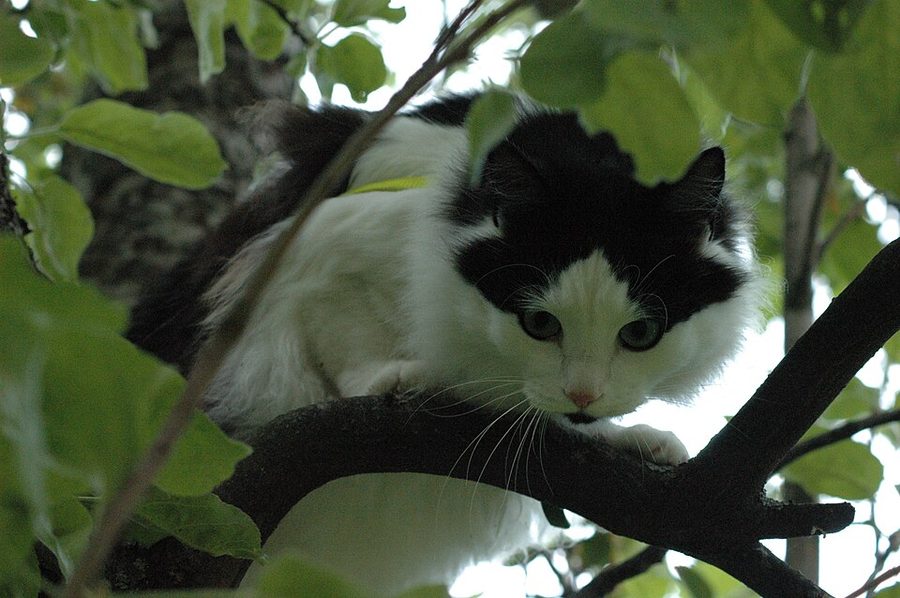
Use a cat-specific harness that distributes pressure across the chest and shoulders — never walk a cat on a collar, which they can slip and which risks neck injury. It should be snug enough that they can't back out of it but not tight. A lightweight, fixed-length leash gives you control without the whip of a retractable.
Train indoors before the door
Let the cat wear the harness for a few minutes a day with treats and play, gradually clipping the leash and following them around the house. Some cats flop over at first — that's normal; let them get used to the feel before expecting steps. Only once they walk comfortably clipped indoors do you step outside.
Outside: the cat leads
Start in a quiet, enclosed space like a garden. Let the cat explore and set the pace; you follow. Keep early trips short and positive. Not every cat enjoys it — and that's fine. Indoor enrichment can meet their needs if leash walks aren't their thing.
Frequently asked questions
Can you train a cat to walk on a leash?
Yes, with a well-fitted harness (never a collar) and a slow indoor-first introduction. Let the cat set the pace and keep early outings short.
Why not use a collar on a cat?
Cats can slip collars and risk neck injury; a cat-specific harness spreads pressure across the chest and prevents escape.
My cat flops when I put the harness on — is that normal?
Yes. Let them get used to the feel with treats and play indoors before expecting them to walk; most get past it in days.
More cat training guides
- How to Litter Train a Cat — and Fix It When They Stop
- How to Stop a Cat From Scratching Furniture (Without Declawing)
- How to Stop a Cat From Biting — Play Bites and Fear Bites
- How to Train a Cat to Stay Off the Counters
- How to Train a Cat to Come When Called (Recall)
- How to Train a Cat to Sleep at Night (and Stop the 3 a.m. Zoomies)
- How to Clicker Train a Cat — Positive Reinforcement That Works